

Cargo security has always been an important part of fleet management, but rising theft losses are putting greater attention on how freight is protected throughout its journey.
According to Verisk CargoNet, estimated cargo theft losses reached nearly $725 million in 2025, a 60 percent increase from 2024. Confirmed cargo theft incidents increased 18 percent, while the average value per theft climbed 36 percent to approximately $274,000.
For fleet operators, these numbers reinforce an important reality: securing cargo requires more than simply locking trailer doors before a truck leaves the yard. Effective protection requires multiple layers working together.
LOOKING BEYOND THE SEAL
Traditional cable and bolt seals remain an important part of cargo security. They provide a visible indication that a trailer has been secured and can help identify whether unauthorized access may have occurred. However, a seal is primarily an indicator of access, not necessarily a physical barrier designed to prevent it.
That distinction is why fleets should consider how easily the seal and surrounding locking area can be accessed. Layered cargo security can include driver training, secure parking procedures, trailer locks, GPS tracking, electronic security systems, seals and physical barriers. Each serves a different purpose, but together they can make unauthorized access more difficult, time-consuming and noticeable.
PROTECTING THE POINT OF ACCESS
One area that can be overlooked is protecting the trailer seal itself. Freight Defense, a commercial vehicle security manufacturer based in Green Bay, Wisconsin, developed its Seal Safe system to address this vulnerability.
Rather than replacing traditional cable or bolt seals, Seal Safe is designed to help protect them. Constructed from stainless steel, the device creates a physical barrier around the seal area, helping restrict direct access while allowing fleets to continue using familiar sealing procedures.
No physical security device can guarantee that a trailer will not be breached. However, adding another barrier can increase the effort and time required to reach the seal while providing a visible indication that additional security measures are in place.
The approach demonstrates an important principle of layered security: existing practices do not always need to be replaced to be strengthened.
DRIVERS AND TECHNOLOGY COMPLETE THE PICTURE
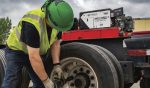
Physical security is only one part of protecting cargo. Drivers remain an important layer because they interact with the vehicle throughout the trip. Checking door hardware, locks and seals and looking for signs of tampering should be incorporated into regular security procedures. Parking in secure, well-lit locations and quickly reporting damaged seals or suspicious activity can further reduce exposure.
Technology can provide another layer. GPS tracking, geofencing and telematics can give fleet managers greater visibility into vehicle location and unexpected route activity. Physical security complements those systems by creating resistance at the vehicle itself.
Ultimately, cargo security is less about finding one perfect solution and more about reducing opportunities. Every additional layer, from driver awareness and tracking technology to locks, seals and physical barriers such as Seal Safe, creates another obstacle between valuable cargo and unauthorized access.
As the financial impact of cargo theft continues to rise, strengthening those layers is becoming an increasingly important part of protecting freight from pickup to delivery.
for more information
Freight Defense, a division of Vehicle Security Innovators (VSI), provides security solutions designed for medium- and heavy-duty trucks, trailers and commercial fleets. Its product portfolio focuses on helping fleets protect vehicles and cargo from theft and tampering through practical, purpose-built security solutions. To learn more, visit www.freightdefense.com.