

When tire maintenance is neglected, the costs show up fast in the form of fuel consumption, roadside breakdowns, towing costs, missed deliveries, technician overtime, and lost vehicle utilization. In an industry where margins are tight and reliability matters, any tire issue left unaddressed can create widespread disruption.
This is why more fleets are moving away from reactive maintenance and even routine proactive maintenance, into the preferred method of tire maintenance forecasting. Instead of waiting for a tire to fail or relying on a fixed inspection cycle, forecasting uses real-time data to identify problems earlier and act before they become expensive.
Tire maintenance forecasting is powered by new tire monitoring technologies that give fleet managers visibility into pressure, temperature, and overall tire condition, making it possible to catch slow leaks, underinflation, and abnormal tire temperature. They can maintain proper tire pressure, extend tire life, reduce early wear, and decrease frequency of tire replacements. By forecasting tire trends and identifying issues early, fleets are improving safety, efficiency, and sustainability.
MODERNIZING TIRE PRESSURE CHECKS
For years, tire pressure checks depended on manual inspections. The old-fashioned, small wooden bat approach may have detected a severely underinflated tire, but it couldn’t sense gradual changes like minor pressure loss, heat buildup, or performance trends that signal a larger problem is ahead. Since tire condition affects both fuel consumption and wear, missed issues can quietly erode fleet performance over time. Although tires only account for five percent of a fleet’s expense, they influence 53 percent of its total operating cost.
That’s why proper inflation remains one of the most important factors in maximizing tire performance and controlling operating costs. Even a modest drop in tire pressure can impact tire performance, which can result in a decrease in fuel efficiency. Underinflation also generates excess heat, accelerates tread wear, reduces casing life, and can increase the risk of roadside breakdowns.
Each tire requires a specific PSI to perform optimally. However, running a tire underinflated by as little as 10 PSI can cost as much as 1.6 mpg in fuel economy loss, while also shortening the tire’s usable life. Real-time tire monitoring provides fleets with data-driven insights that identify pressure deviations as they occur, helping uncover cost-saving opportunities before minor issues become major expenses.
TECHNOLOGY TO SUPPORT A MORE COMPETITIVE FLEET
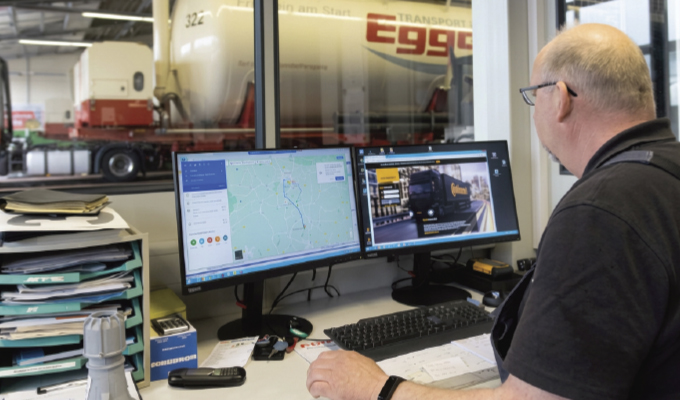
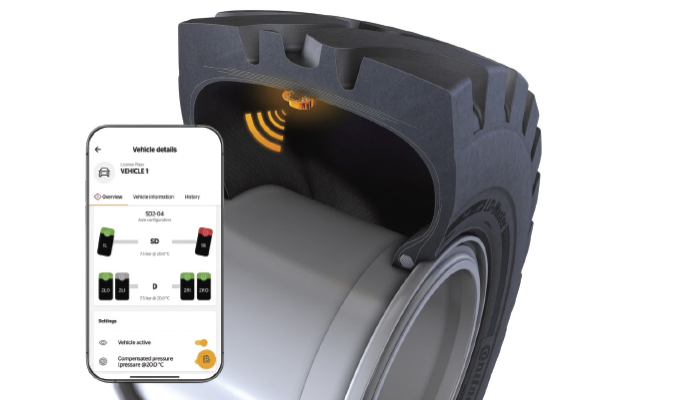
Modern digital tire monitoring platforms, like Continental Tire’s ContiConnect, use sensors mounted inside a fleet’s tires, or the valve caps, to continuously measure pressure and temperature. ContiConnect Yard Readers capture that data and transmit it to a dashboard where drivers, fleet managers, and maintenance teams can receive alerts when a tire falls outside the desired range.
In some setups, the system can even trigger a work order automatically. This reduces the need for manual inspections and helps teams focus attention where it is needed. To streamline the setup process, Continental developed Sensor Ready tires with an integrated pocket to hold the ContiConnect tire sensor. With these built-in pockets, sensor installation time is reduced to only a few minutes.
These tools turn tire data into a practical fleet management advantage by giving fleets a level of visibility that simply wasn’t possible with manual checks. Fleets that adopt this kind of monitoring are directly reducing unnecessary costs through fewer tires being replaced early, less unplanned downtime, lower fuel spend from properly inflated tires, and fewer technician hours spent on routine inspections.
FORECASTING IN ACTION
Continental has seen fleets use digital tire monitoring solutions to reduce tire-related disruptions while improving fuel efficiency, extending tire life, and keeping vehicles on the road. The result is a more resilient operation, where maintenance is predictable. With tire maintenance forecasting, companies have transformed their operations and learned a simple lesson, when teams can identify tire issues before they escalate, they can prevent disruptions instead of reacting to them.
One fleet operator saw roadside incidents drop by 88 percent and emergency out-of-office calls fall by 95 percent after shifting to tire maintenance forecasting. That change also helped reduce fuel use, producing monthly savings that added up quickly across the operation.
Similarly, one fleet has been able to avoid short-notice tire damage, preventing vehicle downtime. Gradual pressure losses were caught and corrected before they became breakdowns, keeping vehicles on the road, routes on schedule, and customers happy.
Another transit fleet serving nearly 20 million passengers a year across 500 vehicles used to spend more than 80 hours manually checking tires. After installing yard readers at its depots, tire data was captured automatically each time a vehicle returned. If an issue was detected, the maintenance team received a digital alert and dispatched a technician immediately, eliminating the need for manual inspections altogether.
A third fleet operating bulk transport vehicles eliminated unscheduled maintenance calls after deploying yard readers. Its average tire lifespan also increased from 24 to 36 months, a 50 percent improvement that translated into lower replacement costs and better asset utilization.
TIRES ARE IMPORTANT TOO
Tire maintenance forecasting changes how fleets operate and how they think about allocating their limited resources, including how it affects the efficiency of maintenance teams and driver satisfaction. In an industry limited in maintenance labor and time, maintenance forecasting allows teams to address problems that need solving instead of spending hours on routine non-priority issues.
When fleets catch tire issues before they become emergencies, drivers spend less time stranded on the shoulder and more time doing their jobs. This small shift can have a lasting effect on driver satisfaction in an industry where retention is a constant challenge.
Tires are not just a maintenance line item; they are a large contributor to the success of a fleet. The fleets that recognize the importance of a tire program are the ones that show up on time, keep drivers on the road, and stay profitable. In a business where every mile matters, tire data is not just a maintenance function, it is operational intelligence.
about the author
Shaun Uys is vice president of sales and marketing for Truck Tire Replacement US for Continental Tire Americas. With nearly 30 years of experience in the global tire industry, he has held leadership roles across South Africa, Germany and the United States, including serving as vice president of truck tire OE Americas and strategic key fleet accounts. His expertise spans truck tire manufacturing, original equipment, and fleet solutions, giving him deep insight into the role proactive tire management plays in improving fleet safety, efficiency and total operating costs.