

Until recently, work truck tool theft prevention measures primarily focused on a passive approach, including padlocks and alarms. Due to the increased availability of connected fleet telematics for service trucks, decision-makers can now shift to active, integrated asset protection.
Many proactive leaders opt for a combination of rugged physical upfits and digital telematics solutions to turn vehicles into fortresses on wheels. Operators and owners can then feel confident in ongoing protection, whether the vehicle is at a remote jobsite or parked in the yard. Which possibilities exist, and what benefits do they bring to those using them?
KEEPING OPERATIONS FLOWING
Fleet managers and other concerned parties know that work trucks double as storage areas for essential supplies and equipment, ranging from diagnostic gear to power tools and copper wire, depending on the typical application. Thieves also know about this multipurpose reality and have capitalized on it.
However, so have technology companies specializing in advanced telematics products. One offers a solution that uses artificial intelligence and geofencing to detect when trucks exceed a specified boundary. It automatically triggers recovery procedures after the confirmation of a legitimate theft, contacting the relevant authorities and initiating real-time vehicle tracking. Those measures minimize the chances that even the most determined criminals will get far before encountering resistance.
Aspects such as fleet size and a work truck’s purpose impact the overall effects of a theft. In virtually all cases, it causes unwanted frustration and could even halt deadline-sensitive projects. The best approach is for decision-makers to reduce such consequences proactively with high-tech safeguards.
LOWERING OVERALL RISKS
Some products that safeguard items stored in work trucks have multiple benefits, such as telematics solutions that also track driver safety and behavior. Those relate to work truck tool theft prevention because there is always a possibility of insider threats. Besides having the easiest access to valuables, they may also possess information that makes it easier to orchestrate their plans.
Leaders can similarly use safety-related telematics to enforce company policies. Video evidence of unnecessary aggressive driving or other behaviors that risk lives help them reinforce the need for coaching or other interventions.
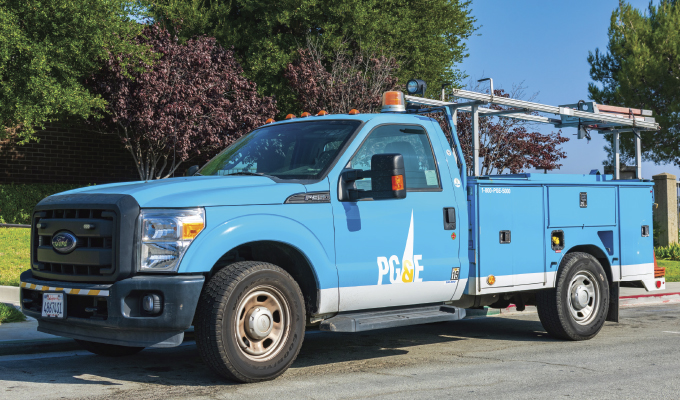
Safe driving reflects positively on an entire enterprise, while the reverse can damage reputations. That is especially likely if the vehicle has identifying markings linking it to a specific business or service type. Social media has made it incredibly easy for people to share photos in minutes and “name and shame” local operations. That identifying information can also make a work truck a desirable theft target, particularly if people generally associate the brand type with high-value equipment or supplies.
Conversely, some connected smart storage solutions have branded decals and other visible markers to warn would-be thieves that it is not worth their effort to target those safeguarded vehicles. Then, just as a work truck could become enticing to criminals because of its contents, it may simultaneously deter them with telematics-related security branding. This example shows how even seemingly small, conscious efforts can keep criminals away and reduce other risks, especially if these thoughtful actions include using the latest technologies.
INCREASING VISIBILITY
Thoughtfully chosen smart storage solutions protect a work truck’s contents. Some also alert owners or fleet managers to other unusual events. One construction equipment provider has a connected telematics platform that gives authorized users actionable insights so they can resolve issues more effectively.
One common feature is the ability to track equipment locations, which ensures users immediately notice anything unusual. Providers also frequently offer curfew settings so designated parties receive alerts if equipment or vehicles turn on or move outside of a specified time frame.
The sooner they receive information about abnormalities, the easier it is to manage suspected theft or other issues that risk operations. Insurers, law enforcement officials, and other relevant parties also appreciate the real-time data feeds that connected fleet telematics for service trucks often provide. They can then piece together what happened as much as possible, which could accelerate the recovery of stolen goods or vehicles and prove that crimes occurred.
Business owners cannot feasibly remove every risk, but every proactive decision can get them closer to that goal. Investing in products that include the latest technologies to protect items and flag unusual events supports the bottom line.
IDENTIFYING BEHAVIORAL TRENDS
Although connected fleet telematics for service trucks differ by brand and type, many work by tracking vast quantities of data and analyzing it. This approach means the systems can recognize some of the telltale signs that often lead to the theft of a vehicle or its contents.
There are certainly cases in which innocent people seem to behave suspiciously, so decision-makers should not rely solely on these features. They should instead consider them useful in determining whether specific instances require further investigation to prevent potential criminal activity.
One rental car company uses a telematics solution to detect driver behaviors that may indicate a desire to steal. It identifies at-risk customers using years of data, giving representatives the information they need to act. Onboard technologies detect suspicious vehicle movements, such as entering unauthorized areas, scrapyards or other locations not easily explained by an operator’s expected work truck usage.
Designated parties then receive alerts for anomalies or recurring patterns linked to known risks. Managers can use this information to decide which actions to take and when, thereby limiting planned criminal activity.
OFFERING WORK TRUCK TOOL THEFT PREVENTION
The most effective preventive measures often require using a layered approach, meaning people should not become overly dependent on any single method. Advancements in connected fleet telematics for service trucks do not wholly replace passive options such as alarms and padlocks. However, thieves work quickly, making it essential to track their movements as thoroughly as possible.
Most advanced solutions achieve this, helping fleet managers and other concerned parties significantly reduce the likelihood of theft. Even if it happens, these products also increase the likelihood of a fast recovery with few, or no items lost and minimize risks such as reckless operating behaviors or employees attempting to use equipment during unauthorized times. These realities make connected smart storage solutions and similar products wise investments for forward-thinking fleet professionals.
about the author
Emily Newton has eight years of creating logistics and supply chain articles under her belt. She loves helping people stay informed about industry trends. Her work in Global Trade Magazine and Parcel showcases her ability to identify newsworthy stories. When Emily is not writing, she enjoys building Lego sets with her husband.