

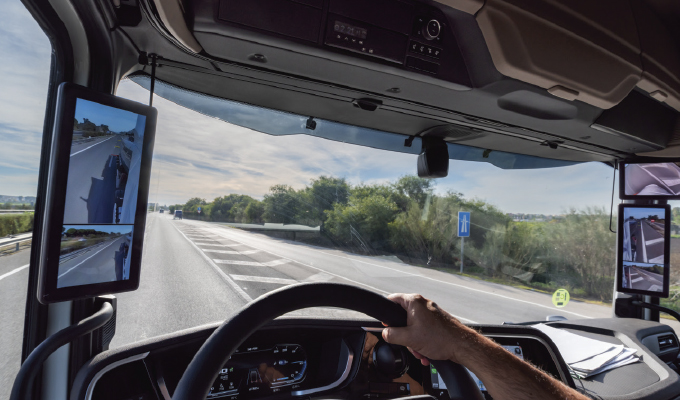
Fleet safety is critical. Running a fleet of Class 1-8 work vehicles means managing risks ranging from minor incidents to major accidents, as well as challenges such as driver fatigue and complex operating conditions.
Artificial intelligence (AI) is shifting that balance, replacing slow, reactive processes with continuous, preventive systems that surface risk earlier. The result is a smarter, faster way to keep people and assets safer on the road.
THE EVOLUTION OF FLEET SAFETY
Telematics has laid the groundwork for modern fleet safety by turning vehicles into data sources. For years, early systems provided managers with a clear picture of truck locations, their performance, and areas where waste occurred in fuel and maintenance.
GPS tracking, engine diagnostics, and fuel monitoring became the top tools for reducing cost and exposure, but operators only saw them as innovative or elective technologies. Today, 90 percent of fleet managers now see telematics as essential to their overall safety plan. Over half report that the technology has produced a noticeable positive impact on safety initiatives.
The next step was adding driver-focused data, which involved sensors and in-cab devices to watch behavior as well as location. These tracking technologies encourage safer driving habits. Fleet operators can gain an overview of how a driver operates on the road, letting them hold employees accountable for any unsafe practices. Those insights let fleets move beyond simple route visibility toward coaching and measurable behavior change.
However, raw data has limits. Sifting through streams of alerts can be time-consuming, and many managers only learn about problems after they happen. That reactive pattern creates blind spots. If data is not prioritized and contextualized, useful signals become lost in the noise. Connecting behavior tracking to timely, prioritized action has been the challenge fleet teams now try to solve with AI.
HOW AI ACTIVELY DETECTS AND CORRECTS UNSAFE DRIVING
Unsafe driving habits are common. Research has shown that 87 percent of drivers commit at least one risky behavior while on the road. AI systems were built to handle those actions. They do so by combining vehicle and driver signals to identify the behaviors that lead to crashes, such as speeding, phone use and signs of impairment. That focus makes the problem actionable, rather than overwhelming fleet managers with raw data.
One way AI does this is through in-cab cameras and real-time alerts. Together, they detect unsafe actions as they happen and prompt immediate correction. When a sensor detects a driver reaching for a phone or nodding off, the system can trigger an in-cab audio or visual alert and flag the event on the dashboard.
Those instant nudges reduce the window for harm while creating teachable moments managers can use later in coaching. This is where behavior-tracking telematics technologies add tangible value. They turn abstract scores and long reports into moment-by-moment feedback for drivers.
Beyond instant correction, AI applies predictive analytics to highlight drivers who are trending toward higher risk before an incident occurs. Machine learning models analyze patterns, such as frequency of braking, time-of-day fatigue markers and route stressors. They then surface which drivers deserve targeted training or routes that need schedule changes. As a result, fleets can prevent collisions and develop a safety program that is more informed about where to allocate time and resources.
THE BENEFITS OF AN AI-POWERED SAFETY PROGRAM
The following examples demonstrate how AI-powered tools for safety significantly benefit fleet operations.
Reduced Accidents and Operational Costs
Fleets that adopt AI-powered safety solutions often experience significant decreases in collisions, with some implementations reporting that crash rates drop by up to 73 percent within 30 months. That dramatic decrease comes from faster in-cab intervention, smarter dispatching, and predictive maintenance.
Fewer crashes result in lower repair bills and smaller workers’ compensation and liability payouts, which further reduce insurance premiums over time. In short, technology turns safety into a measurable area of savings that fleets can manage and measure.
ENHANCED DRIVER PERFORMANCE AND RETENTION
When AI provides objective, time-stamped evidence and coaching, drivers get clear, defensible feedback instead of vague critiques. Carriers that use video and AI for safety measures report much higher driver buy-in. For example, operator approval for in-cab camera programs rose by 87 percent when footage was framed as coaching and protection.
That shift is crucial because drivers who feel coaching is fair are more likely to adopt safer habits, accept training and stay with the company longer. The result is a stronger safety culture, fewer disciplinary disputes, and lower turnover.
PROTECTION AGAINST FALSE CLAIMS
AI cameras and synchronized telematics create an impartial record of events. Time-stamped video, GPS traces, and sensor logs all align to a single timeline. That evidence can exonerate a driver in no fault incidents and speed insurance investigations by clarifying responsibility quickly.
Beyond dispute resolution, consistent documentation also helps companies prove compliance to regulators and insurers and evaluate whether specific coaching or policy changes truly reduce risk. Overall, better records shorten investigations and make it easier to show measurable safety improvements over time.
Key Considerations for Implementing AI in Your Fleet
Integrating AI into fleet management is as much about the people, process, and data as it is about cameras and models. Take the following into consideration to ensure a successful, sustainable deployment:
- Choose the right technology: Look for solutions specifically designed for commercial vehicles, rather than consumer products retrofitted for work use. Prioritize vendors whose sensors, mounting options and analytics work in heavy-duty scenarios. Those differences matter for accuracy, durability, and regulatory compliance.
- Get the right fit for vehicle mix and use cases: Different routes, payloads and vehicle types create different safety needs. Match features to the actual tasks the drivers do, so the system solves real problems instead of generating noise.
- Data quality and integration: AI is only as useful as the information it sees. Ensure the solution ingests high-quality data and integrates seamlessly with existing systems for a unified view.
- Driver buy-in and privacy: Be transparent about what is recorded, how data will be used and who can access it. Framing systems as coaching and protection reduces resistance and improves adoption.
- Training and change management: Provide managers and drivers with hands-on training tied to real-life events from the pilot. Explain how alerts translate into coaching actions, what drivers can expect after an event, and how success will be measured to avoid confusion and mistrust.
- Scalability and futureproofing: Confirm that the platform can scale with fleet growth and support new sensor types or AI models as needed. Prefer solutions that expose APIs and exportable data to avoid being locked into a single reporting format down the road.
DRIVING TOWARD A SAFER FUTURE
AI is changing fleet safety from a reactive cost center into a proactive tool that prevents incidents, protects drivers, and reduces operating expenses. When applied thoughtfully, these tools deliver measurable improvements without replacing human judgment. For an operational fleet, the goal is straightforward — utilize technology to enhance road safety while supporting drivers and operations.
about the author
Emily Newton has eight years of creating logistics and supply chain articles under her belt. She loves helping people stay informed about industry trends. Her work in Global Trade Magazine and Parcel showcases her ability to identify newsworthy stories. When Emily is not writing, she enjoys building Lego sets with her husband.