
While fleet management has never been simple, it’s become significantly more complex. Rising operating costs, aging vehicles, technician shortages, and increasing compliance requirements are forcing fleet teams to do more with fewer resources. At the same time, expectations for uptime, safety, and service reliability continue to climb.
This is where fleet automation and AI-driven workflows are reshaping how fleets operate. Rather than replacing people or overhauling operations overnight, today’s most effective fleet technologies focus on reducing manual work and improving maintenance decision-making.
BREAKING DOWN FLEET AUTOMATION
When many people hear “automation,” they think of autonomous vehicles or fully hands-off operations. In reality, fleet automation is about streamlining everyday workflows, especially maintenance-related ones that traditionally rely on spreadsheets, paperwork, emails, and disconnected systems.
Fleet automation focuses on:
- Automating preventive maintenance (PM) scheduling;
- Triggering service reminders based on mileage, hours, or time;
- Routing approvals and capturing maintenance data; and,
- Integrating third-party shops and vendors into a single workflow.
Instead of asking fleet teams to work faster, automation removes the repetitive administrative tasks that slow them down in the first place, and maintenance is one of the most critical and resource-intensive areas of fleet management. Fleets that still rely on manual or semi-manual processes to manage it often face breakdowns in workflows, including:
- Missed or late PM;
- Inconsistent service documentation;
- Poor visibility into asset health and service history;
- Delays caused by approval bottlenecks; and,
- Reactive repairs that increase downtime and costs.
These issues often aren’t caused by a lack of effort or expertise. They’re caused by systems that don’t scale as fleets grow or operations become more complex. Fleet automation addresses these challenges by ensuring maintenance tasks happen on time without relying on memory or manual follow-ups.
MAKING PM AUTOMATION THE FOUNDATION OF FLEET HEALTH
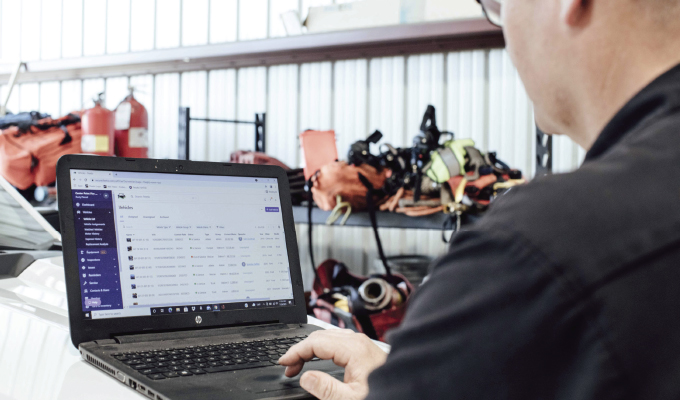
PM is one of the clearest areas where automation delivers immediate value. With automated PM programs, fleets can schedule service based on real usage data (miles, engine hours, days), automatically notify drivers, technicians, or vendors when service is due, generate work orders with little manual intervention, and track compliance across asset types and locations.
This reduces the risk of missed services while improving asset uptime and longevity. More importantly, it shifts maintenance from reactive to proactive, helping fleets address issues before they become costly breakdowns.
ELIMINATING BOTTLENECKS IN THE SHOP
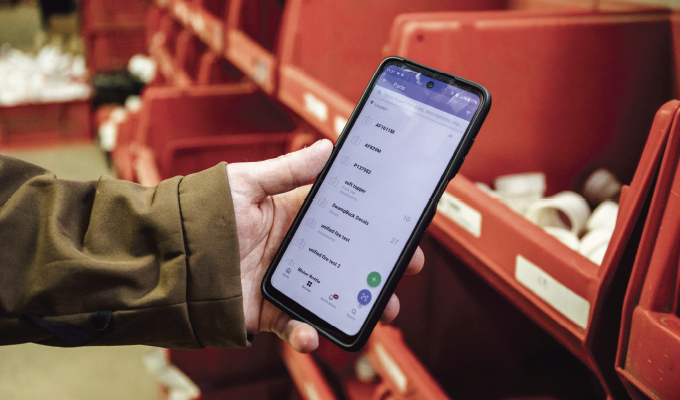
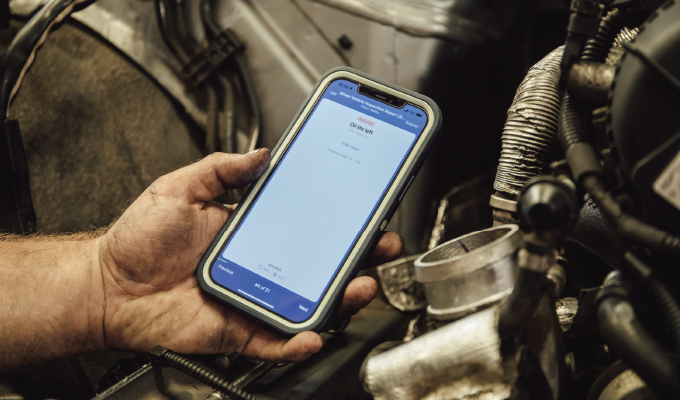
Work orders sit at the center of maintenance operations, yet they are often a major source of inefficiency. Manual work order creation, unclear assignments, and fragmented communication can slow repairs and increase downtime. Automation simplifies this process by allowing fleets to create work orders straight from failed inspection item alerts and DTC faults. It also provides real-time status updates and comments while capturing labor, parts, and service data automatically.
Digital work orders also create a single source of truth for maintenance history, making it easier to analyze trends, identify recurring issues, and improve planning. When work order workflows are automated, maintenance teams spend less time chasing information and more time keeping assets on the road.

THE ROLE OF AI IN FLEET MAINTENANCE
While automation handles the “when” and “how” of maintenance workflows, AI helps fleets understand the “why.” In fleet management, AI is most valuable when it analyzes large volumes of maintenance and inspection data, identifies patterns humans may miss, and surfaces insights that support better decisions.
Rather than acting as a chatbot or novelty feature, AI in fleet management works behind the scenes to improve accuracy, consistency, and confidence. It supports operational decisions instead of simply responding to questions.
AI is a powerful analytical tool that helps fleets understand the enormous amounts of data they collect each day, including:
- Inspection results;
- Work orders and repair details;
- Parts usage;
- Labor time; and,
- Vendor costs.
“Without automation and AI, much of this data remains underused. AI-driven fleet platforms can analyze this information to highlight recurring faults or failure patterns, benchmark service costs across regions or vendors, identify assets at higher risk of downtime, and improve inspection-to-repair conversion rates,” says Bri Perry-Lang, product marketing manager, Fleetio. “These insights help fleet managers move beyond reactive reporting toward predictive and prescriptive decision-making.”
REDUCING ADMINISTRATIVE WORK WITHOUT LOSING OVERSIGHT
One of the biggest concerns around automation and AI is the fear of losing control. In practice, the opposite is true, as automated workflows reduce manual data entry, standardize processes across teams and locations, and improve auditability and documentation.
AI-powered recommendations still rely on human oversight. Fleet professionals remain in control of approvals, policies, and priorities while technology handles the heavy lifting on the back end. This balance allows teams to scale operations without sacrificing accountability or compliance.
AUTOMATION FOR FLEETS OF ALL SIZES
While large fleets often lead technology adoption, automation is just as valuable for small and mid-sized fleets.
For smaller teams, automation helps by:
- Reducing reliance on spreadsheets;
- Preventing maintenance tasks from falling through the cracks; and,
- Allowing one person to manage more assets effectively.
For enterprise fleets, automation ensures:
- Consistency across regions and locations;
- Standardized maintenance practices; and,
- Better benchmarking and performance tracking.
Regardless of size, fleets that automate maintenance workflows are better equipped to handle growth, turnover, and operational complexity.
MOVING FROM A SYSTEM OF RECORD TO A SYSTEM OF INTELLIGENCE
Traditionally, fleet software functioned primarily as a system of record, documenting what already happened. Today, automation and AI are transforming fleet platforms into systems of intelligence. This evolution means less time spent documenting the past, more time spent improving future outcomes, smarter recommendations based on real fleet data, and continuous improvement built into daily workflows.
Fleet automation and AI are not about replacing experience or intuition. They are about augmenting expertise with data-driven support, so fleet professionals can make better decisions faster.
WHY FLEET AUTOMATION IS NO LONGER OPTIONAL
Rising costs, tighter margins, and labor constraints are not temporary challenges. Fleets that rely on manual processes will continue to struggle with inefficiency and inconsistency.
Fleet automation and AI provide a practical path forward by improving maintenance compliance, reducing downtime and unexpected repairs, lowering administrative burdens, and turning data into actionable insights.
The fleets seeing the greatest success aren’t chasing futuristic promises. They’re investing in tools that help them decide, act, and improve every day. Fleet automation and AI work best when they are intentional, practical, and grounded in real maintenance workflows. Fleets can build maintenance programs that scale without adding complexity by focusing on PM, work order efficiency, and data-driven insights. The future of fleet management isn’t fully autonomous; it’s intelligently automated, with people and technology working together to keep fleets running safely, efficiently, and profitably.
about the author
Rachael Plant is a senior content marketing specialist for Fleetio, a fleet maintenance and optimization platform that helps organizations run, repair, and optimize their fleet operations.